


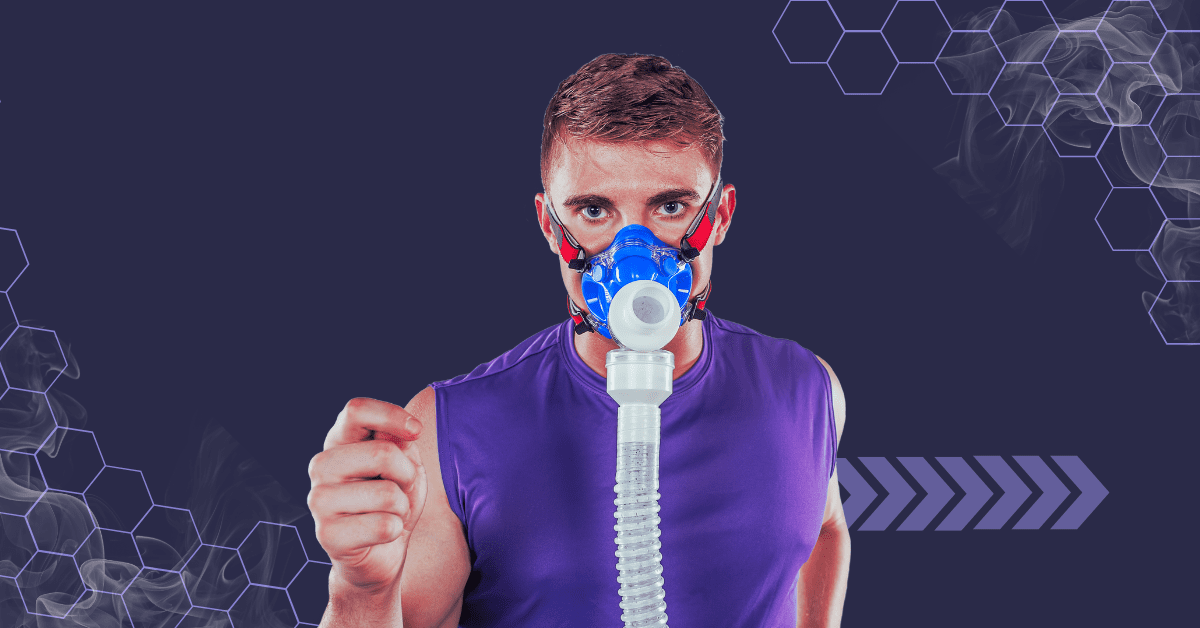
Have you ever found yourself gasping for air during a tough workout, wondering why your lungs are burning and your heart is pounding? That feeling is a sign that you’re pushing up against the limits of your aerobic fitness. The technical term for this upper limit is your VO2max – the maximum volume of oxygen your body can consume during exercise.
VO2max is considered the gold standard measure of aerobic fitness and a key predictor of endurance performance. It reflects how efficiently your lungs, heart, blood vessels, and muscles can transport and utilize oxygen to produce energy. In other words, the higher your VO2max, the longer and harder you can push yourself during extended bouts of exercise.
But VO2max isn’t just for competitive athletes. It’s an important health metric for anyone who wants to get fitter, ward off chronic diseases, and maintain a high quality of life as they age. By understanding the science behind VO2max and implementing proven training strategies to improve it, you can take your fitness to the next level.
In this article, we’ll take a deep dive into the world of VO2max. You’ll learn exactly what it measures, why it matters for your health and performance, how to determine your personal VO2max, and science-backed ways to enhance your aerobic power. Let’s breathe some life into your fitness routine.
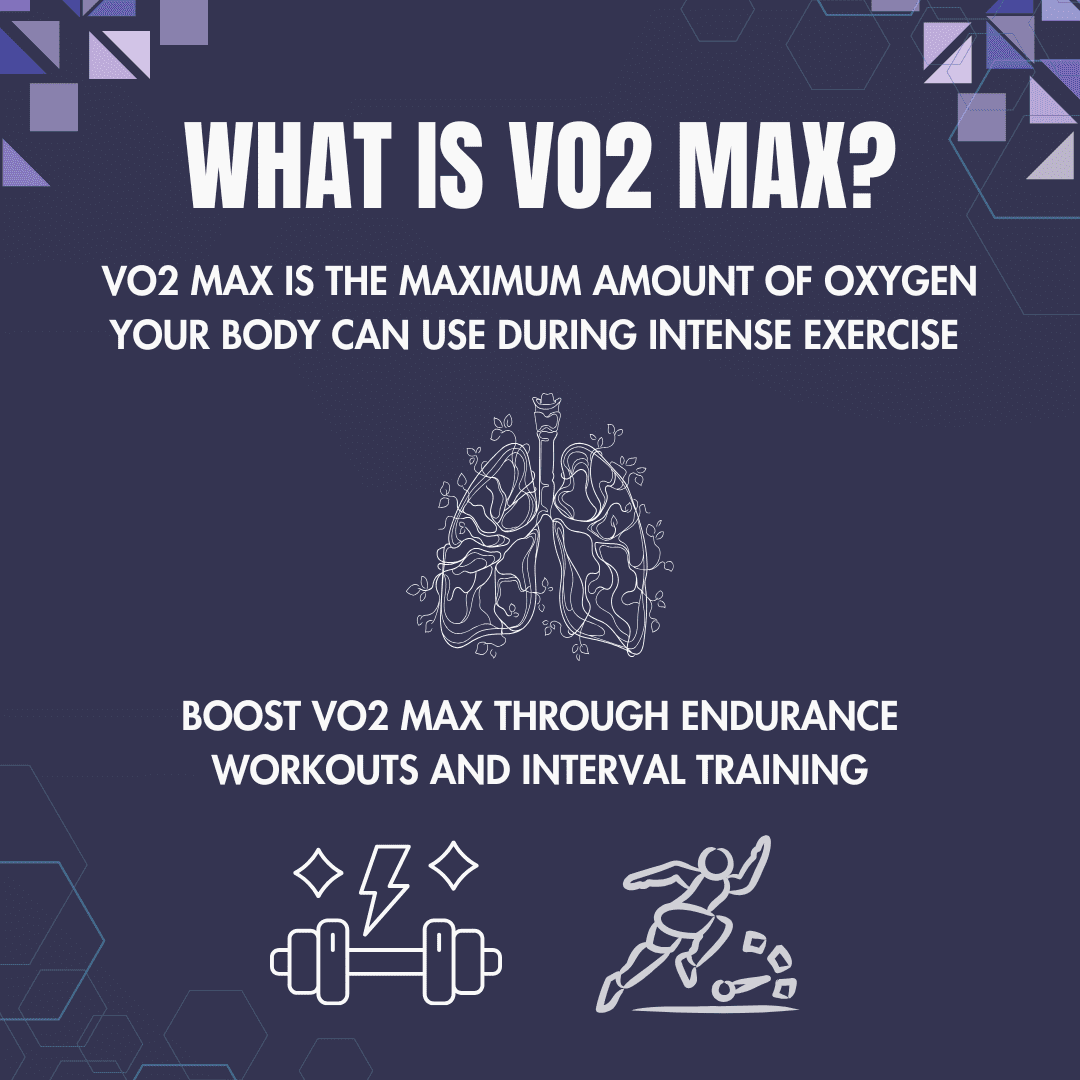
What is VO2max?
What exactly is VO2max? In technical terms, it’s defined as the maximum volume of oxygen (VO2) that the body can consume and utilize during intense, maximal exercise. It’s expressed relative to body weight in milliliters of oxygen per kilogram of body mass per minute (mL/kg/min).
You can think of VO2max as the size of your body’s “aerobic engine”. Just like a car with a bigger, more powerful engine can accelerate faster and maintain higher speeds, a person with a higher VO2max can take in and use more oxygen, allowing them to exercise at a greater intensity for a longer duration.
VO2max represents the upper limit of your cardiorespiratory system’s ability to deliver oxygen to your working muscles. It’s determined by a combination of central and peripheral factors:
– Central factors include the pumping capacity of your heart, the oxygen diffusion capacity of your lungs, and your total blood volume.
– Peripheral factors involve the density of capillaries surrounding your muscle fibers and the amount and activity of aerobic enzymes (like cytochrome c oxidase) in your muscle mitochondria.
Basically, a high VO2max requires a strong heart to pump a large volume of blood, efficient lungs to fully oxygenate that blood, a robust network of blood vessels to deliver the oxygenated blood to your muscles, and muscles with a high capacity to extract and utilize the oxygen from your blood.
Typical VO2max values range from 30-45 mL/kg/min in sedentary individuals up to 90 mL/kg/min or more in world-class endurance athletes. Your individual VO2max depends on a mix of genetic and environmental factors, including your age, sex, training status, and heredity. While the genetic ceiling for VO2max may be predetermined, almost everyone has room to improve through proper training, as we’ll explore later in this article.
Why VO2max Matters
So why should you care about your VO2max? Whether you’re a competitive athlete, a weekend warrior, or just looking to stay healthy and active, your VO2max matters more than you might think.
From a health perspective, a high VO2max is a powerful predictor of longevity and reduced risk for a variety of chronic diseases. In a study involving over 100,000 individuals, those with low cardiorespiratory fitness had a nearly 4x greater risk of death from any cause than those with high cardiorespiratory fitness1. Low aerobic fitness is also associated with a substantially elevated risk of heart disease, stroke, type 2 diabetes, and certain types of cancer1-3.
But the benefits of a high VO2max extend beyond just extending lifespan. It’s also linked to a better healthspan – the length of time you can maintain a high quality of life as you age4. Research has shown that older adults with a higher VO2max have more energy, better mood, less cognitive decline, and greater independence with daily activities like walking, dressing, and bathing4-7.
Think of VO2max as a biomarker for how much “life” you have in your years, not just how many years you have in your life.
From a performance standpoint, VO2max is one of the best predictors of endurance potential8. If you take two athletes with similar training backgrounds and have them race head-to-head in a 10K, the smart money will be on the athlete with the higher VO2max every time. That’s because a high VO2max allows you to take in and use more oxygen at race pace, meaning you can sustain a faster speed before fatigue sets in.
Increasing VO2max is a central goal of almost every endurance training program, from beginner couch-to-5K plans up to Olympic-level running, cycling, and cross-country skiing. If you’re looking to boost your race times or just want to feel less winded climbing hills and stairs, improving your VO2max is the key that can unlock your potential.
I’ve seen the transformative power of raising VO2max firsthand. Years ago, I started training with a friend who was recovering from open heart surgery. His VO2max was in the 25th percentile for his age – a stark wake-up call. But after 6 months of consistent cardio training, he re-tested at the 75th percentile. The change in his energy levels, outlook on life, and enthusiasm for fitness was incredible. VO2max is so much more than just a number – it’s an investment in your vitality and quality of life.
How VO2max is Measured
Now that you understand what VO2max is and why it matters, let’s dive into how it’s actually measured. The gold standard method for determining VO2max is a graded exercise test (GXT) performed in a laboratory setting under the supervision of trained personnel.
During a GXT, you’ll be fitted with a mouthpiece or mask that’s connected to a metabolic cart. This equipment analyzes the volume and gas concentrations of the air you breathe in and out during exercise. You’ll start out walking or pedaling at a low intensity, then the speed and/or incline will be increased every 1-3 minutes in set stages. The goal is to continue until you reach volitional fatigue – the point where you feel you can’t continue despite giving your maximal effort.
Throughout the test, a variety of cardiorespiratory data is collected, including:
- Oxygen uptake (VO2): The volume of oxygen you consume per minute
- Respiratory exchange ratio (RER): The ratio of carbon dioxide produced to oxygen consumed, which indicates what fuel source (fats vs. carbohydrates) you’re primarily using for energy
- VT1 (First Ventilatory Threshold): This is the point during exercise where breathing starts to increase at a faster rate. It marks the transition from primarily using fat as a fuel source to increasing reliance on carbohydrates (glycogen and glucose) for energy.
- VT2 (Second Ventilatory Threshold): This is the point where breathing becomes rapid and more intense. It indicates a shift to a higher intensity of exercise where lactate accumulates quickly in the blood. At this stage, the body relies heavily on anaerobic metabolism, using glycogen and glucose as the primary fuel sources.
- Heart rate (HR): Your beats per minute at each stage of the test
- Rating of perceived exertion (RPE): A subjective rating of how hard the exercise feels on a scale of 1-10
Your VO2max is determined by the highest volume of oxygen you consume during the final stage(s) of the test. Additional performance markers like VT and peak heart rate can be used to design personalized heart rate and pace-based training zones.
While a lab test is the most accurate way to determine VO2max, it does require expensive equipment and trained personnel9. As an alternative, many runners and cyclists turn to field-based estimates using tests like:
– Cooper 12-minute run test: Cover as much distance as possible in 12 minutes of running; VO2max is estimated based on age, sex, and distance covered
– 1.5 mile run test: Run 1.5 miles (2.4 km) as fast as possible; VO2max is estimated using run time, heart rate, age, and sex
– 20m multistage shuttle run: Run back and forth between two lines 20m apart, keeping pace with beeps that get progressively faster over time; the level and number of shuttles completed are used to estimate VO2max
Some GPS watches and fitness trackers also provide VO2max estimates based on heart rate data collected during your normal running or cycling workouts. These tend to be rough approximations and can vary significantly between devices10.
While field tests are more accessible and convenient than a lab GXT, they do have limitations. Factors like running economy, motivation, and environmental conditions can skew results. If you’re serious about heart rate and pace-based training, it’s worth considering a lab test for the most personalized and accurate data. But for the general population just looking to track fitness changes over time, periodic field testing can be a practical way to gauge progress.
Factors That Affect VO2max
So what determines an individual’s VO2max? It turns out there are a variety of factors that interact to influence your aerobic potential, some of which you can control, and others you can’t.
One of the biggest contributors to VO2max is your genetics. Studies suggest that 50-70% of the variation in VO2max between individuals can be explained by heredity9. Think of VO2max as being similar to height – while everyone can stand up straight and stretch to maximize their stature, some people have a genetic predisposition to being taller or shorter. Elite endurance athletes tend to have a naturally high VO2max, likely influenced by a favorable combo of genes coding for things like high blood volume, optimal muscle fiber composition, and efficient mitochondrial function.
Age and sex also play a role in VO2max. Men typically have a 10-20% higher VO2max compared to women of the same age and training status, largely due to men’s higher hemoglobin levels and lower body fat percentage on average. And for non-athletes, VO2max tends to decline by about 10% per decade after the age of 30,. This age-related decline is influenced by factors like maximal heart rate lowering over time, loss of muscle mass, and sedentary lifestyle.
Your training status has a significant impact on your VO2max. The good news is that VO2max is highly responsive to aerobic training, especially if you’re starting out at a low fitness level. Untrained individuals can expect to see a 10-20% increase in VO2max in the first 3-6 months of starting a structured cardio program11. Further improvements are definitely possible with continued training, but the gains tend to be slower and smaller in well-trained athletes12.
Two environmental factors that can limit VO2max are altitude and heat. Individuals living at high elevations (above 1500m) tend to have a 5-10% lower VO2max compared to their sea level values, due to the decreased partial pressure of oxygen in the atmosphere11. Similarly, exercising in hot and humid conditions diverts some blood flow to the skin for cooling, meaning less oxygen is available to the working muscles11. That’s why VO2max tests are ideally conducted in a climate-controlled room.
Finally, body composition plays a role in VO2max, particularly when it’s expressed relative to body weight. Individuals with a higher body fat percentage may have a lower relative VO2max because the excess weight doesn’t contribute to the body’s oxygen-utilization capacity. That’s why athletes in sports that emphasize leanness, like running and cycling, tend to have higher VO2max values. Losing excess body fat is one way to improve your relative aerobic capacity, even if your absolute liters per minute of oxygen utilization stays the same.
The key takeaway? While your VO2max ceiling is largely predetermined by factors outside your control, the vast majority of people have room to substantially improve their aerobic fitness through smart training and healthy lifestyle choices. So unless you’re aiming for the Olympic podium, don’t get too hung up on the hand genetics dealt you. Focus on the variables you can control to maximize your personal potential.
Boosting Your Aerobic Capacity: Evidence-Based VO2max Training
So how can you most effectively improve your VO2max? The short answer is: by challenging your cardiovascular system with workouts that push you outside your comfort zone. But the nuances of structuring training for optimal aerobic adaptations are a bit more complex.
The most potent stimulus for enhancing VO2max is sustaining intensities at or near your current maximal aerobic capacity. Workouts in the range of 80-100% of VO2max (which roughly corresponds to 90-100% of maximal heart rate) force your cardiac output and oxygen utilization systems to function at their upper limits. Over time, this stimulates physiological adaptations like increased stroke volume, capillary density, and mitochondrial efficiency that increase your ability to deliver and utilize oxygen during exercise.
One of the most research-backed protocols for VO2max development is high-intensity interval training, or HIIT. A classic HIIT workout involves a series of short, near-maximal effort intervals (like 8 x 1-minute at 95% of max heart rate) interspersed with recovery periods. The high-intensity bouts allow you to accumulate more total time at a high percentage of VO2max compared to a continuous steady-state effort at the same intensity, while the recoveries help you sustain high-quality efforts over a full workout.
Threshold training, where you sustain an intensity close to your lactate threshold (the pace you could race for about an hour) for longer intervals is also an effective VO2max booster. Workouts like 2 x 20 minutes at lactate threshold with 5 minutes recovery, or 6-8 x 3 minutes at 5K race pace with 2-minute jogs, improve your ability to tolerate and utilize the byproducts of high-intensity exercise. This type of training is especially important for longer endurance events like half-marathons and marathons.
Low-intensity training shouldn’t be overlooked, though. Long, slow distance (LSD) workouts at 60-75% of max heart rate are crucial for developing the aerobic base that lays the foundation for higher-intensity work. These efforts improve your fat-burning capacity and fatigue resistance, allowing you to maintain a given submaximal pace with less effort. Aim to spend 70-80% of your total training time at this lower intensity.
Putting it all together, a well-rounded training plan should include a mix of HIIT, threshold, and LSD workouts tailored to your target event and individual response to training. A good general guideline is 1-2 HIIT sessions, 1-2 threshold workouts, and 3-5 LSD efforts per week, with the exact ratio depending on your race distance and phase of training. The key is to progressively increase your training volume and average intensity over time while allowing for adequate recovery between hard sessions.
Sample VO2max Boosting Workouts:
– 6 x 3 minutes at 5K race pace / 2-minutes recovery jog
– 4-6 x 800m at 1-mile race pace / 400m recovery jog
– 20-30 minute tempo run at lactate threshold pace
– 90-120 minute long run at 70-75% max heart rate
Monitor Progress, Celebrate Results
No matter how you choose to structure your training plan, tracking your progress over time is key to long-term success. Keeping a training log and periodically retesting your VO2max (either through a lab test or field estimate) lets you quantify your aerobic fitness gains and adjust your training zones accordingly. Celebrate milestones along the way and don’t be afraid to recalibrate your goals as you improve.
Breathe New Life Into Your Fitness
We covered a lot of ground in this deep dive into VO2max. To recap, your VO2max reflects your body’s maximal ability to consume and utilize oxygen during exercise. It’s a central determinant of your endurance potential that depends on your genetics, age, sex, training status, and other factors. While you can’t control all the cards you’re dealt, you can maximize the hand you have through smart, consistent aerobic training.
Whether your goal is to break a personal record, keep up with your kids, or simply feel more alive, improving your VO2max is a powerful lever for enhancing your health and performance. Challenge yourself to make cardio a consistent habit, get comfortable being uncomfortable during workouts, and watch in amazement as your former limits become your new normal.
You have an incredible capacity to grow your aerobic engine—so grab your running shoes or hop on a bike and discover what your body is truly capable of. Harder, faster, stronger: your fitter future self is waiting.
References:
- Mandsager K, Harb S, Cremer P, Phelan D, Nissen SE, Jaber W. Association of Cardiorespiratory Fitness With Long-term Mortality Among Adults Undergoing Exercise Treadmill Testing. JAMA Netw Open. 2018;1(6):e183605. Epub 20181005. doi: 10.1001/jamanetworkopen.2018.3605. PubMed PMID: 30646252; PubMed Central PMCID: PMC6324439.
- Weeldreyer NR, De Guzman JC, Paterson C, Allen JD, Gaesser GA, Angadi SS. Cardiorespiratory fitness, body mass index and mortality: a systematic review and meta-analysis. Br J Sports Med. 2025;59(5):339-46. Epub 20250220. doi: 10.1136/bjsports-2024-108748. PubMed PMID: 39537313.
- Blair SN, Kohl HW, 3rd, Paffenbarger RS, Jr., Clark DG, Cooper KH, Gibbons LW. Physical fitness and all-cause mortality. A prospective study of healthy men and women. JAMA. 1989;262(1):2395-401. doi: 0.1001/jama.262.17.2395. PubMed PMID: 2795824.
- Strasser B, Burtscher M. Survival of the fittest: VO2max, a key predictor of longevity? Front Biosci (Landmark Ed). 2018;23(8):1505-16. doi: 10.2741/4657. PubMed PMID: 29293447.
- Freudenberger P, Petrovic K, Sen A, Töglhofer AM, Fixa A, Hofer E, et al. Fitness and cognition in the elderly: The Austrian Stroke Prevention Study. Neurology. 2016;86(5):418-24. Epub 20160106. doi: 10.1212/WNL.0000000000002329. PubMed PMID: 26740674; PubMed Central PMCID: PMC4773949.
- McPhee JS, French DP, Jackson D, Nazroo J, Pendleton N, Degens H. Physical activity in older age: perspectives for healthy ageing and frailty. Biogerontology. 2016;17(3):567-80. Epub 20160302. doi: 10.1007/s10522-016-9641-0. PubMed PMID: 26936444; PubMed Central PMCID: PMC4889622.
- Langhammer B, Bergland A, Rydwik E. The Importance of Physical Activity Exercise among Older People. Biomed Res Int. 2018;2018:7856823. Epub 20181205. doi: 10.1155/2018/7856823. PubMed PMID: 30627571; PubMed Central PMCID: PMC6304477.
- Joyner MJ, Coyle EF. Endurance exercise performance: the physiology of champions. J Physiol. 2008;586(1):35-44. Epub 20070927. doi: 10.1113/jphysiol.2007.14383436. PubMed PMID: 17901124; PubMed Central PMCID: PMC2375555.
- Mujika IE. Endurance Training: Science and Practice. Second ed: Iñigo Mujika S.L.U.; 2023 2023.
- Passler S, Bohrer J, Blochinger L, Senner V. Validity of Wrist-Worn Activity Trackers for Estimating VO(2max) and Energy Expenditure. Int J Environ Res Public Health. 2019;16(17). Epub 20190822. doi: 10.3390/ijerph16173037. PubMed PMID: 31443347; PubMed Central PMCID: PMC6747132.
- Kenney WL, Wilmore JH, Costill DL. Physiology of Sport and Exercise. Ninth ed: Human Kinetics; 2024. 680 p.
- Magness S. The Science of Running: Origin Press; 2014. 344 p.