


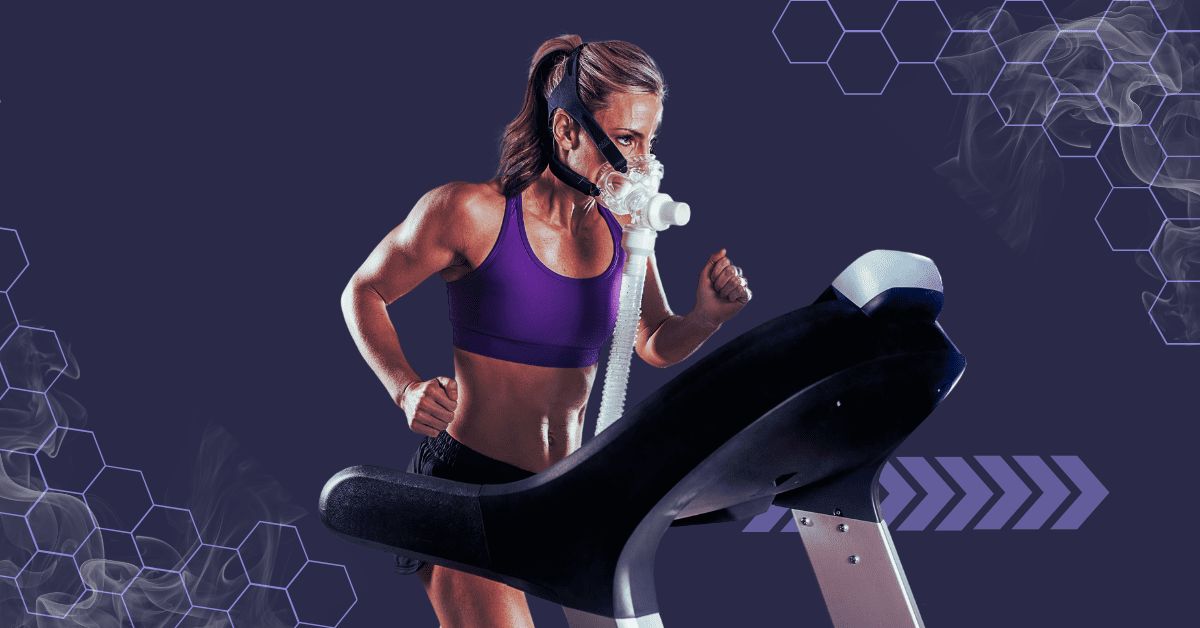
In today’s fitness landscape, clients are no longer satisfied with generic workout plans and one-size-fits-all training approaches. They’re seeking data-driven, personalized fitness solutions that deliver measurable results. This shift has made VO₂ Max testing—considered the gold standard for measuring cardiovascular fitness and aerobic endurance—an increasingly essential service for modern gyms.
The rising popularity of Zone 2 training has particularly heightened interest in VO₂ Max testing. While heart rate monitors and fitness apps can provide estimated training zones, only a proper VO₂ Max test can precisely determine an individual’s true target heart rates for optimal training. This precision is exactly what today’s discerning fitness enthusiasts are looking for.
From a business perspective, the opportunity is compelling. Based on real-world data, performing just five VO₂ Max tests per week can add approximately $40,000 to your gym’s annual revenue. This service creates a new revenue stream and positions your facility as a cutting-edge fitness destination that offers scientific, personalized training guidance.
Beyond the immediate testing revenue, VO₂ Max testing can serve as a powerful tool for client retention and program optimization. When clients see concrete data about their cardiovascular fitness and receive personalized heart rate zones for their workouts, they’re more likely to stay committed to their fitness journey and recommend your services to others. The ability to conduct periodic retests also creates ongoing engagement opportunities, helping you build lasting relationships with your members while tracking their progress.
Understanding VO₂ Max Testing Technologies
When it comes to measuring VO₂ Max, accuracy and reliability are key. A VO₂ Max test measures the maximum rate of oxygen consumption during intense exercise, requiring precise measurement of the volume of expired air and oxygen concentrations. This data is decisive for determining training zones and providing insights for your clients.
The Gold Standard: Mixing Chamber Technology
Mixing chamber technology is considered the gold standard for VO₂ Max measurements. Traditionally, this sophisticated system was primarily found in research departments and professional athletic training facilities due to its complexity and cost. Recent technological advancements have made mixing chamber systems more accessible and practical for gym owners and trainers at any level of expertise.
The key advantage of mixing chamber technology lies in its measurement approach. The system collects and analyzes all expired air during the test, providing highly accurate readings of oxygen consumption. This complete analysis is essential for determining precise training zones and building reliable results for your clients.
Critical Components of Accurate Testing
Regardless of the technology chosen, several factors are important for accurate VO₂ Max testing:
- Barometric pressure adjustments
- Temperature compensation
- Humidity considerations
- Proper calibration protocols
These environmental factors directly impact measurement accuracy. Advanced systems like those using mixing chamber technology, automatically adjust for these variables during routine calibration cycles, creating standardized conditions (STPD) for every test.
The Impact of Accuracy on Client Results
The precision of your VO₂ Max testing equipment directly affects your ability to:
- Define accurate training zones for cardio-strengthening and endurance
- Determine optimal heart rates for specific fitness goals
- Track client progress reliably over time
- Provide data-driven guidance for weight loss and performance improvement
For example, when tracking an athlete’s progress or designing a targeted training program, even small variations in measurement accuracy can lead to differences in training recommendations. This is why choosing equipment with accuracy is crucial for delivering professional-grade fitness services.
Independent validation from respected institutions can provide confidence in equipment accuracy. For instance, mixing chamber systems have been validated by major universities, ensuring that the results you provide to your clients are trustworthy and actionable.
Features to Consider
When evaluating VO₂ Max testing equipment for your gym, several features can impact your day-to-day operations and long-term success. Let’s examine the aspects you should consider before making your investment.
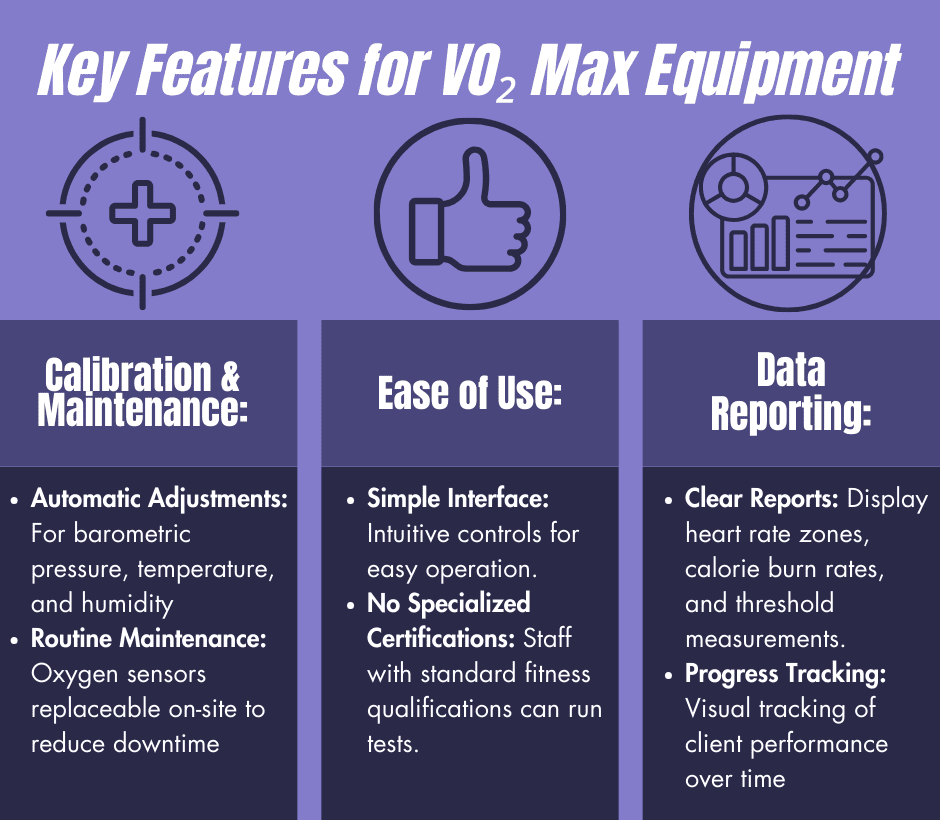
Calibration and Maintenance
The most efficient systems offer self-calibrating capabilities that automatically adjust for environmental factors, including:
- Barometric Pressure: Advanced systems should automatically measure and adjust for atmospheric pressure changes without requiring manual input or additional equipment. This ensures accuracy regardless of your facility’s location or elevation.
- Temperature: The system should automatically compensate for ambient temperature variations that could affect measurement accuracy. This is crucial as temperature can significantly impact oxygen consumption readings.
- Humidity: Proper humidity compensation is essential for accurate results, and modern systems should handle this automatically during each calibration cycle. This is particularly important in varying climate conditions or facilities without strict environmental controls.
These automatic adjustments ensure accurate standardized conditions (STPD) for every test, eliminating the need for time-consuming manual calibrations with syringes or gas tanks. Some maintenance is still required – for example, oxygen sensors will need routine replacement. Look for systems where this can be performed on-site by your staff to minimize downtime and service costs.
Ease of Use and Training Requirements
The practical reality is that your VO₂ Max testing equipment will need to be operated by your existing staff. Modern systems should offer:
- Simple User Interfaces: The equipment should feature intuitive controls and clear displays that make it easy for staff to conduct tests without extensive technical knowledge. Look for systems with straightforward menu navigation and clear prompts.
- Straightforward Testing Protocols: The testing process should be clear and repeatable, with step-by-step guidance for staff to follow. This ensures consistent results regardless of which staff member conducts the test.
- No Specialized Certification Requirements: Your current employees should be able to perform tests without requiring expensive or time-consuming certifications. The equipment should be designed for operation by fitness professionals with standard qualifications.
For instance, a complete VO₂ Max test should be accomplishable in a straightforward process: attach the heart rate strap and face mask, guide the client through a graduated exercise protocol (typically 6-20 minutes), and generate an insightful report upon completion.
Data Reporting and Client Management
Your testing equipment should provide comprehensive yet easy-to-understand reports that include:
- Individual Target Heart Rate Zones: Reports should clearly display personalized training zones based on actual test data, not generic formulas, helping clients understand exactly where they need to train for specific goals.
- Anaerobic Threshold Measurements: The system should identify physiological markers like anaerobic threshold, providing valuable data for creating targeted training programs.
- Specific Calorie Burn Rates: Detailed information about calorie expenditure at different exercise intensities helps trainers design more effective weight management programs and identify the particular fuel sources burned. Where is fat being utilized most efficiently? This data allows for precise adjustments to training plans, ensuring optimal performance and metabolic efficiency.
- Progress Tracking Capabilities: The system should maintain historical data and provide clear visualizations of client progress over time, making it easy to demonstrate the value of your training programs.
Look for systems that can upload results to user-friendly apps, allowing clients to access their personalized workout zones and training guidance outside the gym. This feature enhances the value of your service and improves client engagement.
Cost Considerations Beyond Purchase Price
When considering VO₂ Max testing equipment for your facility, it’s essential to look beyond the initial purchase price to understand the complete financial picture.
Initial Investment
Your initial investment begins with the VO₂ Max testing equipment itself, which forms the foundation of your testing program. Along with the core equipment, you’ll need to purchase essential accessories like masks and heart rate straps to conduct tests effectively. Consider whether your facility needs any modifications to accommodate the equipment, like dedicated space or specific power requirements. Finally, factor in the time and resources needed for initial staff training to ensure proper equipment operation and testing protocols.
Operational Costs
Your ongoing operational expenses will include the routine replacement of oxygen sensors, which is a necessary maintenance task to maintain accuracy. You’ll need to maintain a supply of testing materials, like masks and MetaBreather® hoses, which need regular replacement to ensure hygiene and peak performance. Consider the staff time dedicated to conducting tests, including setup, administration, and client consultation. Basic maintenance and calibration procedures will require some time investment, though modern systems are designed to minimize this burden. Factor in the cost of marketing materials needed to promote this premium service to your clients.
The good news is that modern systems like the CardioCoach® are designed for minimal maintenance, with most routine tasks manageable by your existing staff. This helps keep operational costs predictable and controlled.
Revenue Potential
Based on real data provided in the documentation, the revenue potential is compelling. Performing just 5 tests per week can generate approximately $40,000 in additional annual revenue. This conservative estimate takes into account a modest testing volume that most facilities can easily achieve. It assumes standard market pricing for VO₂ Max testing and a consistent weekly testing schedule that allows for proper client preparation and testing time.
ROI Calculation Example
Let’s break down a realistic return on investment scenario starting with weekly revenue generation. With just 5 tests per week with an average market price of $150, you can project an annual revenue potential of $40,000. This creates a stable foundation for your investment returns.
The value-added benefits extend beyond direct testing revenue. Your facility will benefit from enhanced client retention through data-driven training programs that demonstrate measurable results. You’ll achieve clear differentiation from competing facilities in your market. Additional revenue streams can emerge from personalized training programs based on test results. The potential for repeat testing to track client progress creates ongoing revenue opportunities.
The cost recovery timeline, based on the documented revenue potential and factoring in operational costs, suggests most facilities can expect to recover their initial investment within the first year of operation. These calculations are based on very conservative testing volumes – many facilities find they can exceed these numbers, particularly as client awareness of the benefits of VO₂ Max testing grows and as zone based training continues to gain popularity.
To maximize your ROI, consider integrating VO₂ Max testing into your standard client assessment protocols. This creates a natural flow for your services and helps clients understand the value from the start. Offering periodic retesting packages provides an excellent way to track progress while generating recurring revenue. Using test results to create premium training packages adds value to your service offerings. Marketing the service to local sports teams, cycling clubs, and serious athletes can help you tap into high-value market segments that understand the benefits of precise training data.
The key to achieving optimal ROI is selecting equipment that balances quality and accuracy with operational efficiency, allowing you to deliver reliable results while maintaining profitable operations.
Implementation Factors
When preparing to incorporate VO₂ Max testing into your facility, several implementation factors require careful consideration for successful integration of this service.
Space Requirements
Your VO₂ Max testing setup requires thoughtful space planning to optimize functionality and client experience. You’ll need enough room to accommodate your chosen cardio equipment (typically a treadmill or stationary bike) along with the testing equipment itself. The CardioCoach® system is designed to be compact and efficient, making it suitable for most gym environments. Make sure there’s adequate space for comfortable client movement and proper ventilation. Consider creating a dedicated testing area that provides some privacy for clients during their assessment while maintaining professional visibility that showcases this premium service to other gym members.
Staff Training Needs
One of the significant advantages of modern VO₂ Max testing systems is their user-friendly design. The CardioCoach® features a simple user interface that eliminates the need for specialized certification or extensive technical training. Your existing staff can quickly learn to conduct tests effectively. The testing process is straightforward: help the client put on a heart rate strap and face mask, guide them through a graduated exercise protocol lasting between 6 to 20 minutes, and then generate reports through the system’s interface. Staff should be trained on proper graded exercise protocols, including instructing clients to refrain from exercise for 24 hours prior to testing and avoiding food, tobacco, alcohol, and caffeine for at least 3 hours before the test.
Marketing Opportunities
VO₂ Max testing presents numerous marketing opportunities to differentiate your facility and attract new clients. With the growing interest in Zone 2 training, anaerobic threshold, VO2 Max and data-driven fitness approaches, this service positions your facility at the forefront of scientific fitness assessment. The CardioCoach® app integration allows clients to track their progress and share results, creating natural word-of-mouth marketing opportunities. Consider developing targeted marketing campaigns for specific client segments:
The rise of zone based training has created increased demand for precise heart rate zone determination, which can only be accurately achieved through VO₂ Max testing. Use this growing trend to showcase your facility’s capability to provide scientifically-based training guidance. Highlight how your testing service can help clients maximize their workouts by training in the right zones for their specific goals.
Client Education Requirements
Proper client education is vital for maximizing the value of VO₂ Max testing services. Clients need to understand the testing process and how to use their results effectively. Create clear pre-test instruction materials explaining the importance of following preparation guidelines like avoiding exercise and stimulants before testing. After testing, spend time helping clients understand their results, particularly their personal training zones and how these relate to their fitness goals. The CardioCoach® system’s ability to define specific workout zones unique to each client makes this education process more tangible.
Education should focus on helping clients understand:
- The significance of their VO₂ Max score and other key metrics
- How to use their personalized heart rate zones effectively
- The importance of training at the right intensity for their goals
- When retesting might be beneficial to track progress
- How to use the CardioCoach® app to guide their workouts
By creating an implementation strategy that addresses these factors, you’ll be well-positioned to successfully integrate VO₂ Max testing into your facility’s services and maximize its value for both your business and your clients.
Making the Final Decision
The decision to invest in VO₂ Max testing equipment represents a big step for your facility. To make sure you make the right choice, consider the following evaluation framework.
Comprehensive Evaluation Checklist
Your equipment evaluation should carefully assess each of these factors. Start by confirming the technology type – remember that mixing chamber technology is considered the gold standard for VO₂ Max measurements. Verify that the system includes automatic calibration capabilities for barometric pressure, temperature, and humidity. Examine the user interface and data reporting features to ensure they’ll meet your operational needs. Consider the space requirements and compatibility with your existing cardio equipment. Finally, evaluate the total cost of ownership, including initial investment and ongoing operational expenses.
Questions to Ask Vendors
When speaking with equipment vendors, ask these questions to gain a complete understanding of their offering:
“Can you provide independent validation studies of your equipment’s accuracy?” A reliable vendor should be able to share validation studies from reputable institutions. For example, the CardioCoach® has been independently validated by major universities.
“What specific environmental factors does your calibration system account for?” The system should automatically adjust for barometric pressure, temperature, and humidity during each calibration cycle.
“How are individual training zones determined?” The system should use actual test data to establish precise heart rate zones rather than relying on generic formulas.
“What ongoing maintenance is required, and what can be performed by our staff?” Understanding maintenance requirements helps you assess long-term operational costs and staffing needs.
“What type of support and training do you provide during implementation?” The vendor should offer clear guidance for equipment setup and staff training.
Red Flags to Watch For
Be alert to these warning signs when evaluating VO₂ Max testing equipment options:
- Complex Certification Requirements: Systems that require extensive certification or specialized training for basic operation may increase operational costs and limit staff flexibility. Modern VO₂ Max testing equipment should be user-friendly enough for existing staff to operate with minimal additional training.
- Unclear Calibration Processes: Be wary of vendors who can’t clearly explain their calibration processes or don’t provide automatic environmental adjustments. Accurate VO₂ Max testing requires precise standardization of test conditions, and a lack of clarity here could mean unreliable results.
- Limited Integration Capabilities: Avoid equipment that lacks compatibility with modern apps or training systems. Clients today expect seamless access to their testing data and workout guidance through user-friendly platforms.
- Hidden Maintenance Costs: Exercise caution if vendors are unable to provide clear documentation about maintenance requirements and associated costs. Transparent information about ongoing operational needs is essential for proper business planning.
- Weak Warranty & Product Support: What warranty is offered? How long will the manufacturer stand by their product? A short or vague warranty could indicate a lack of confidence in long-term reliability.
- Reputation & Longevity: What is the company’s reputation for quality among former clients? Will the company be around to support you in 2 years? 10 years? 20? Investing in a proven, reputable manufacturer ensures continued support and service.
- Customer Support Quality: Who will pick up the phone when you call—an actual metabolic testing expert or just a receptionist? Worse yet, are you only getting responses from a chatbot? Reliable support from knowledgeable professionals makes all the difference when troubleshooting or optimizing your equipment.
By carefully considering these factors and asking the right questions, you’ll be better equipped to select VO₂ Max testing equipment that enhances your facility’s services while providing a strong return on investment.
Taking the Next Step in Fitness Technology
The decision to add VO₂ Max testing to your facility represents more than a new service offering—it’s an investment in your gym’s future and your clients’ success. Let’s recap the key considerations that will guide you toward making the right choice for your facility.
Key Points to Remember
Modern VO₂ Max testing equipment, particularly those utilizing mixing chamber technology, has made professional-grade cardiorespiratory testing more accessible than ever. The right system offers automated calibration, user-friendly operation, and data reporting that transforms complex physiological measurements into actionable training guidance. With just five tests per week, facilities can generate approximately $40,000 in additional annual revenue while providing a valuable service that helps clients optimize their training through precise, personalized heart rate zones.
Next Steps for Gym Owners
If you’re ready to explore VO₂ Max testing for your facility, here are your immediate next steps:
Assess your facility’s space requirements and identify the optimal location for your testing setup. Consider how this premium service can be showcased while maintaining a professional testing environment.
Review your current staffing structure to determine who will administer tests and manage the program. Remember, modern systems like the CardioCoach® are designed for operation by your existing staff without requiring specialized certifications.
Begin planning your implementation strategy, including staff training, marketing initiatives, and client education programs.
Getting More Information
For detailed information about CardioCoach® VO₂ Max testing equipment and how it can benefit your facility:
Contact KORR Medical Technology specialists directly at 1-877-859-3007. These trained professionals can answer your specific questions and provide personalized guidance.
Schedule a live demonstration to see the equipment in action and understand how it can integrate into your facility’s operations.
Request detailed product information, including specifications, validation studies, and ROI calculations.
Take the first step toward enhancing your facility’s services with professional-grade VO₂ Max testing. Your clients are seeking data-driven, personalized fitness solutions—now is the time to meet that demand with accurate, reliable testing technology that sets your facility apart.
Contact us today to learn how we can help you implement VO₂ Max testing in your facility and transform your clients’ training experience.