


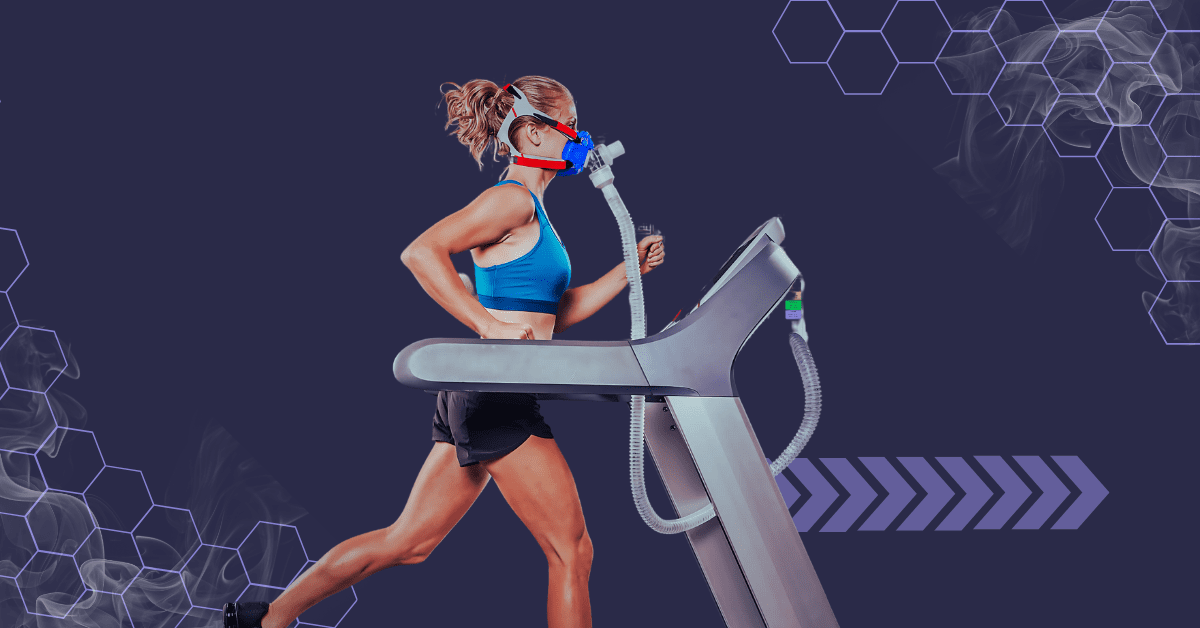
Your client walks into your clinic for their scheduled resting metabolic rate (RMR) test, clutching their favorite coffee mug and apologizing for running late. They assure you they haven’t eaten in hours, avoided exercise this morning, and followed all your pre-test instructions. But as they settle in for testing, you notice that familiar coffee aroma and realize there’s one factor that might compromise the accuracy of their results: caffeine.
As fitness professionals, nutritionists, and healthcare providers recognize the value of precision metabolic testing, understanding how external factors influence results becomes crucial. Among these factors, caffeine stands out as one of the most common—and potentially problematic—variables that can alter metabolic measurements.
The Science Behind Caffeine’s Metabolic Effects
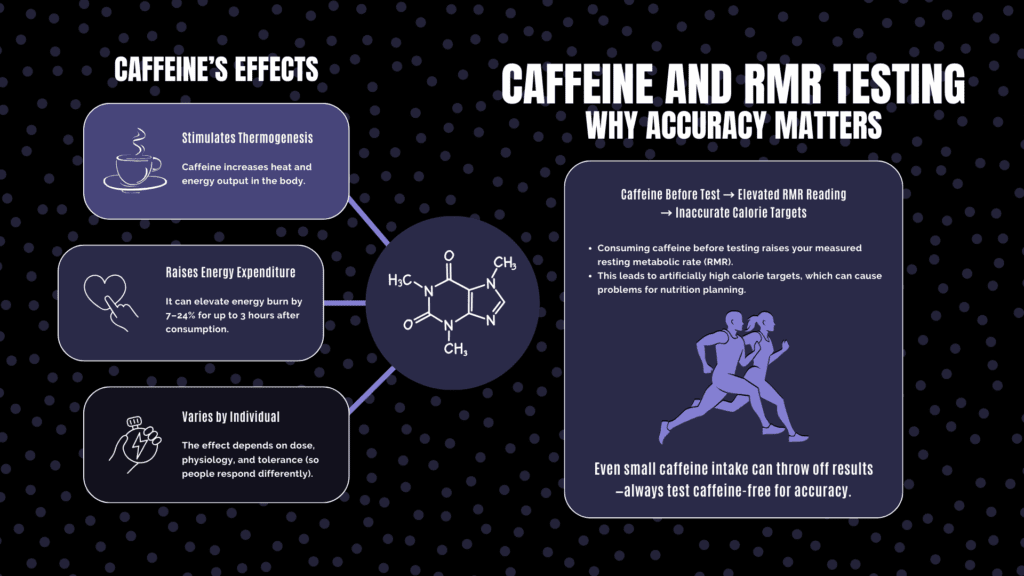
Caffeine is more than just a morning pick-me-up. This powerful central nervous system stimulant triggers a cascade of physiological responses that extend beyond increased alertness. When consumed, caffeine stimulates thermogenesis (the body’s process of generating heat and energy) which directly impacts metabolic rate.
Research demonstrates that caffeine consumption leads to an increase in energy expenditure. This effect begins within 30 minutes of ingestion and can persist for up to 150 minutes afterward1. The magnitude of this response varies dramatically based on several factors:
Dosage and Timing: The amount of caffeine consumed and when it was ingested influence the metabolic response. A single cup of coffee contains approximately 95mg of caffeine, while energy drinks can contain 200mg or more.
Individual Physiology: Body size, composition, gender, and metabolic efficiency all play roles in determining how strongly someone responds to caffeine’s stimulant effects.
Tolerance Levels: Regular caffeine consumers may experience blunted responses compared to occasional users, though the effect rarely disappears entirely.
What the Research Reveals1
Multiple studies have quantified caffeine’s impact on metabolic rate, revealing the consistency and variability of this effect. In one notable study involving healthy men, researchers found that consuming a standard 10-ounce cup of brewed coffee resulted in an average RMR increase of 7-11%, translating to roughly 9-16 additional kilocalories burned per hour for up to three hours post-consumption.
Even more striking was a parallel study focusing on women, which documented metabolic increases as high as 24% following caffeine consumption. This gender-based difference highlights the importance of understanding that caffeine’s effects aren’t uniform across populations.
Perhaps most compelling was research examining the cumulative effects of caffeine throughout the day. When participants consumed caffeine equivalent to four cups of coffee, distributed in smaller doses across several hours, researchers observed increased energy expenditure ranging from 98 to 174 kilocalories per day. While this might sound like a metabolic advantage, it underscores just how much caffeine can alter natural metabolic measurements.
Why Accuracy Matters in RMR Testing
Resting metabolic rate testing serves as the foundation for developing effective nutrition and fitness programs. When you conduct an RMR test, you’re measuring the calories your client’s body requires to maintain basic physiological functions—breathing, circulation, cellular repair, and organ function—while at complete rest.
This baseline measurement serves as the cornerstone for calculating total daily energy expenditure, determining appropriate caloric intake for weight management goals, and designing sustainable nutrition strategies. Even small inaccuracies in RMR testing can compound over time, leading to:
- Ineffective weight loss programs when caloric targets are set too high
- Unintended weight gain when metabolic needs are overestimated
- Frustrated clients who don’t see expected results despite following recommendations
- Reduced confidence in your testing protocols and professional expertise
Given these stakes, it’s important to ensure the accuracy of RMR measurements to deliver results that translate into real-world success for your clients.
The Challenge of Caffeine Compensation
Unlike other variables that can influence metabolic testing, caffeine presents a challenge: its effects can’t be reliably calculated or compensated for during testing. The wide range of individual responses means there’s no standard adjustment factor that can account for caffeine’s influence.
Consider two clients of similar age and body composition who both consume coffee before testing. Client A might experience a 5% increase in metabolic rate, while Client B shows a 20% elevation. This variability makes it impossible to apply a blanket correction factor or mathematical adjustment to account for caffeine’s presence.
The timing of caffeine consumption adds another layer of complexity. A client who had coffee two hours before testing may still be experiencing peak metabolic stimulation, while someone who consumed caffeine four hours earlier might be past the primary effect window, though residual influences could persist.
Best Practices for Caffeine-Free Testing
To ensure the accuracy and reliability of RMR measurements, KORR Medical Technologies and leading nutrition organizations recommend a minimum four-hour abstinence from caffeine before testing. This timeline allows enough time for caffeine’s acute metabolic effects to subside, returning the body closer to its true resting state.
Here’s how to implement this protocol effectively:
Clear Pre-Test Communication: Provide clients with preparation instructions that highlight the caffeine restriction. Include common sources they might overlook, like chocolate, certain medications, and energy drinks.
Scheduling Considerations: When possible, schedule RMR tests for early morning appointments, making it easier for clients to avoid caffeine without disrupting their daily routines.
Verification Process: Always confirm caffeine abstinence before beginning the test. If a client admits to recent consumption, the most professional approach is to reschedule rather than proceed with potentially compromised results.
Education Over Inconvenience: Help clients understand that rescheduling protects the investment they’ve made in testing and make sure they receive accurate data.
The Broader Context of Metabolic Testing
Caffeine’s influence on RMR testing reflects a larger truth about precision metabolic measurements: small variables can create big impacts. This principle extends beyond caffeine to other factors like:
- Environmental temperature affecting the body’s energy requirements
- Stress levels influencing hormone production and metabolic rate
- Sleep quality impacting recovery and cellular function
- Hydration status affecting circulation and organ efficiency
Understanding these influences improves test accuracy and demonstrates your commitment to scientific rigor and client success. When you take the time to control for variables like caffeine, you’re showing clients that their results matter and that you’re dedicated to providing the most reliable data possible.
Technology That Supports Accuracy
Modern metabolic testing equipment, including KORR’s CardioCoach systems, incorporates advanced calibration protocols that help create consistent, accurate measurements. However, even the most sophisticated technology can’t compensate for physiological variables like caffeine stimulation. This is why proper client preparation remains as important as equipment precision.
KORR’s mixing chamber technology provides the standard for metabolic testing, offering superior accuracy compared to breath-by-breath systems. But this technological advantage is only fully realized when clients arrive properly prepared, free from variables that could influence their natural metabolic state.
Moving Forward with Confidence
The relationship between caffeine and metabolic testing illustrates an important principle: accurate results require partnership between practitioner expertise and client preparation. By understanding how caffeine influences metabolic measurements and implementing clear protocols to address this variable, you can guarantee that your RMR testing delivers the reliable data your clients need to achieve their goals.
Explaining the science behind caffeine restrictions doesn’t just improve test accuracy, it demonstrates your knowledge and builds client confidence in your testing protocols. When clients understand why preparation matters, they’re more likely to follow guidelines and appreciate the value of precise metabolic testing.
As the field of metabolic testing evolves, maintaining focus on accuracy and reliability will distinguish your practice and ensure that every test you conduct provides the foundation for successful client outcomes. Ready to implement precision metabolic testing in your practice? Learn more about KORR’s RMR testing solutions and discover how accurate metabolic measurements can transform your client outcomes.
- Research findings pulled from the following systematic review:
- Compher C, Frankenfield D, Keim N, Roth-Yousey L; Evidence Analysis Working Group. Best practice methods to apply to measurement of resting metabolic rate in adults: a systematic review. J Am Diet Assoc. 2006 Jun;106(6):881-903. doi: 10.1016/j.jada.2006.02.009. PMID: 16720129.